Ilkley Villas Walk
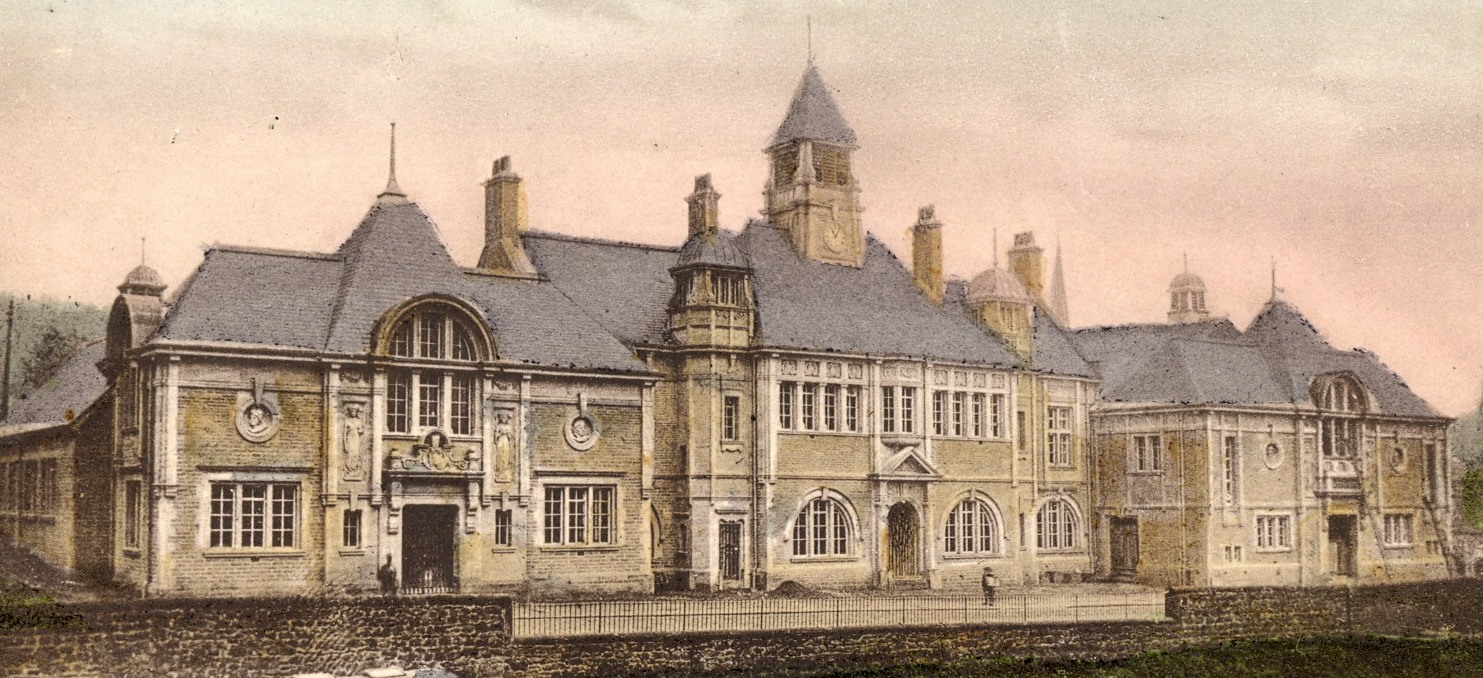
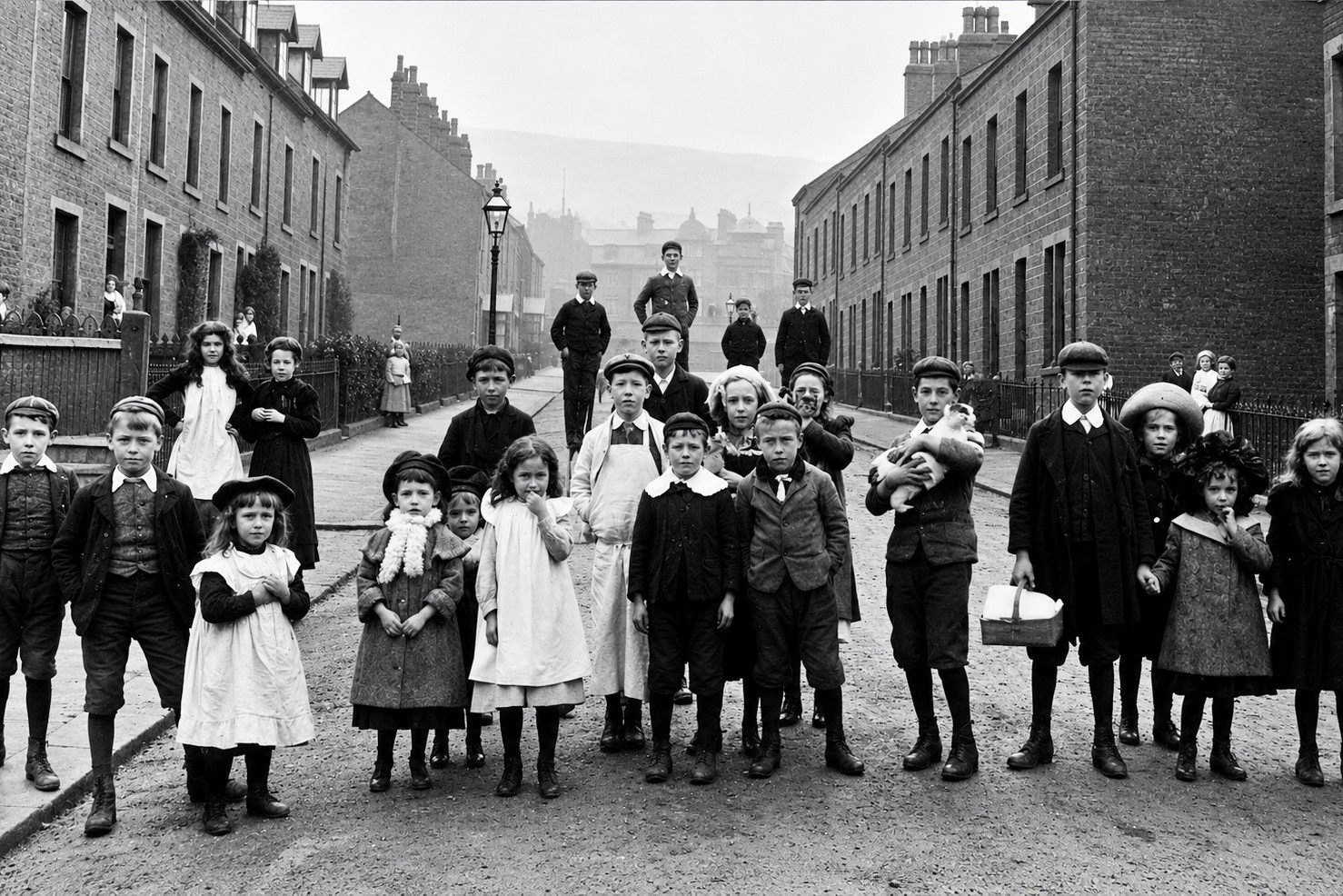
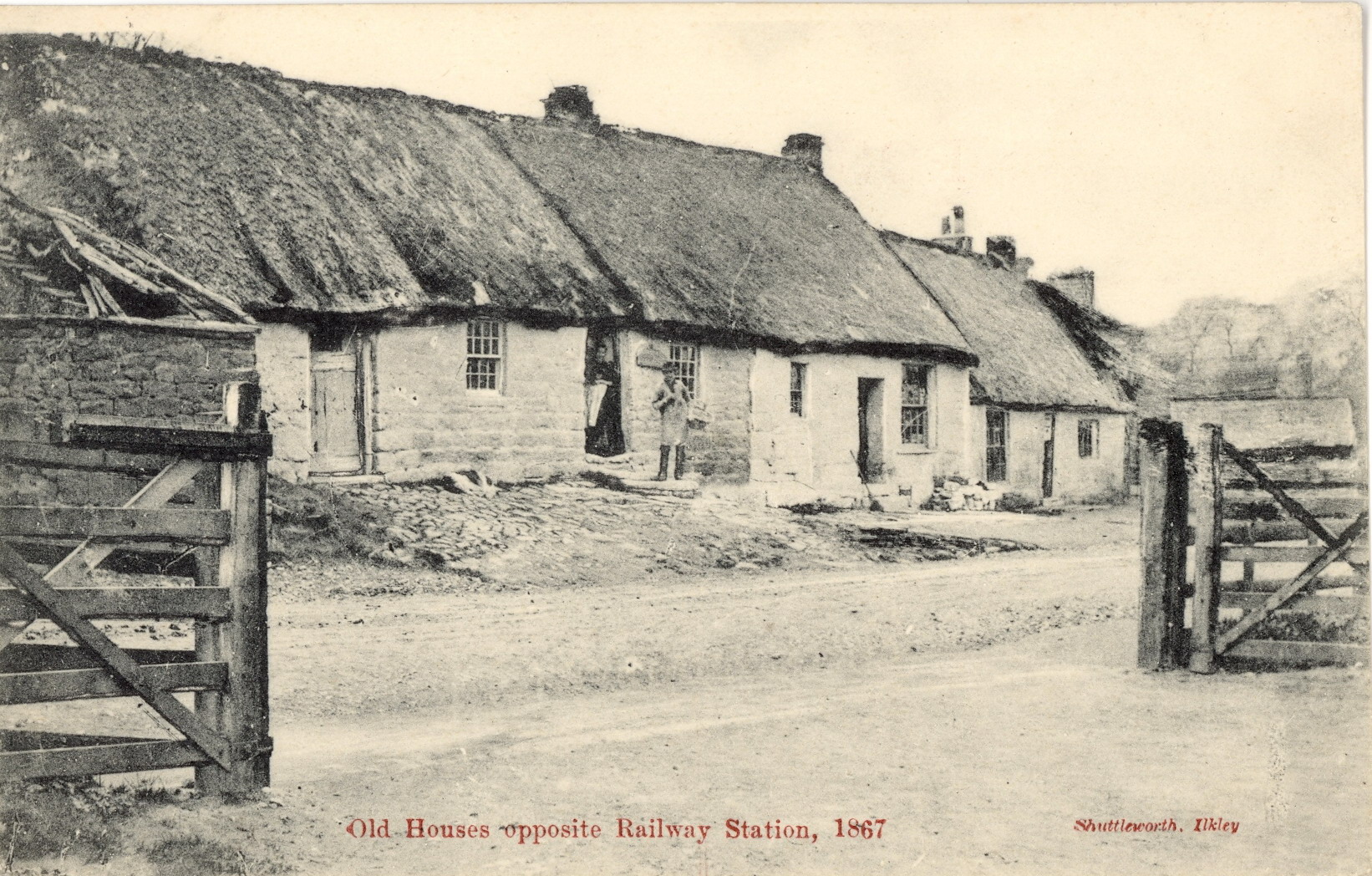
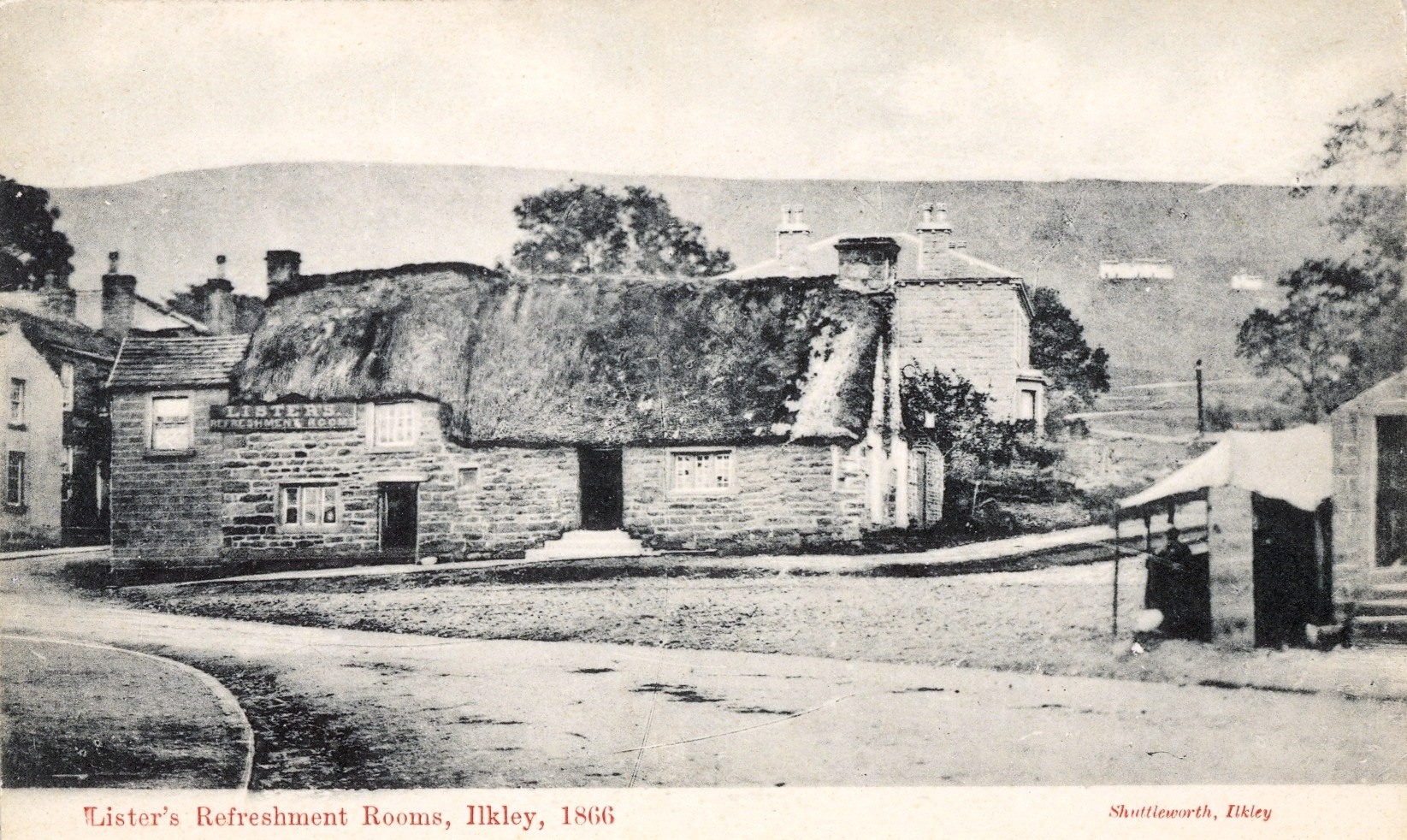
The railway arrived in Ilkley in 1865, shortly followed by the land sales - disposals of land in Ilkley by the Middelton family - between 1867 and 1872. This led to a boom in house-building in and around Ilkley. As a result the few thatched cottages of the village were swept away to make way for new wide streets and stone terraces and villas. The town centre was virtually rebuilt. In 1870 Green Lane, the east to west Roman road, was renamed The Grove and new elegant streets were laid out leading up south towards the moor. A further boom occured after 1891, and by 1901 there were more than 1,600 houses in the town to the south of the River Wharfe. Many of these were designed by well-known architects, built by reputable builders and most survive today.
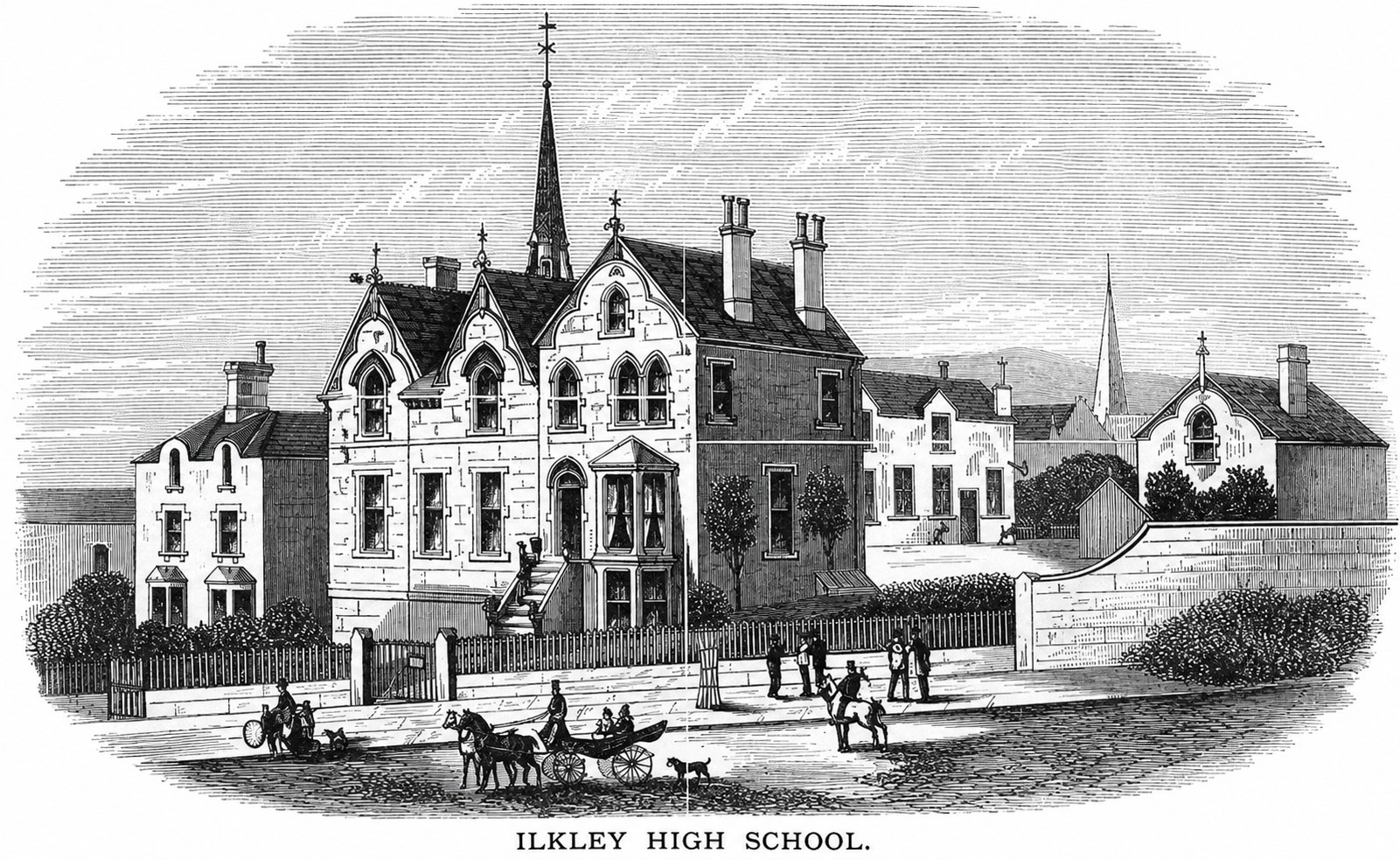
1. Start on The Grove at The Grove Garden, a sensory garden, at the bottom of Parish Ghyll Road. Walk up Parish Ghyll Road. By 1871 this was a gated street described as ‘the Belgravia of the North’ in the Ilkley Gazette. On the left, Dutch-gabled Hopewell Terrace faces the large Netherton semis set in gardens. Near the top of the road on the left, Ilkley High School, erected in 1869 in stone, retains a plaque though the name has been erased. The houses opposite were named to reflect this was once an area of ‘fine oak trees’. On the top left corner is Acorn Mount (Greenways) designed in 1894 by Alex G Adkin. Opposite is a woodland park planted from 1897 for the Diamond Jubilee of Queen Victoria.
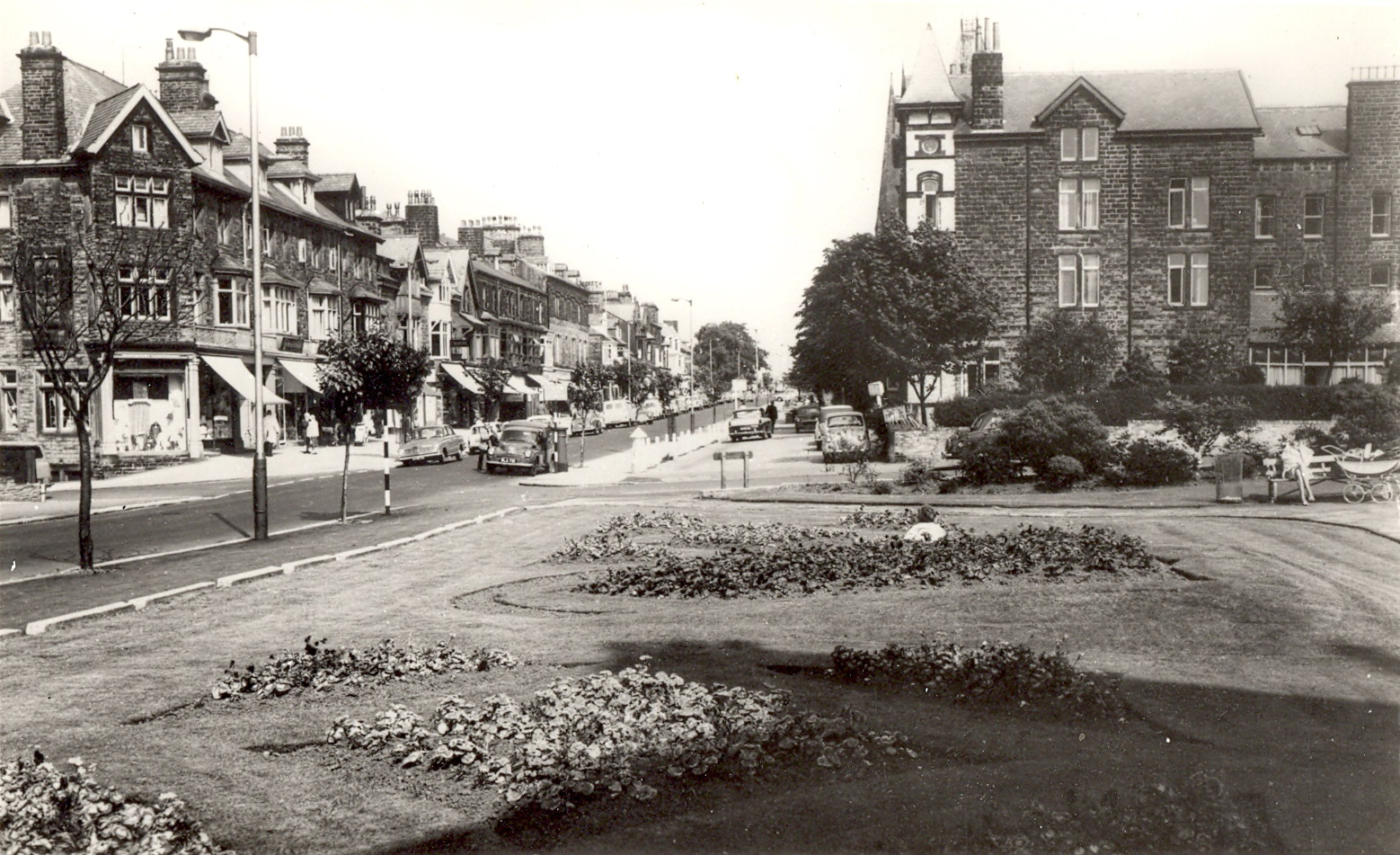 Garden on The Grove looking east
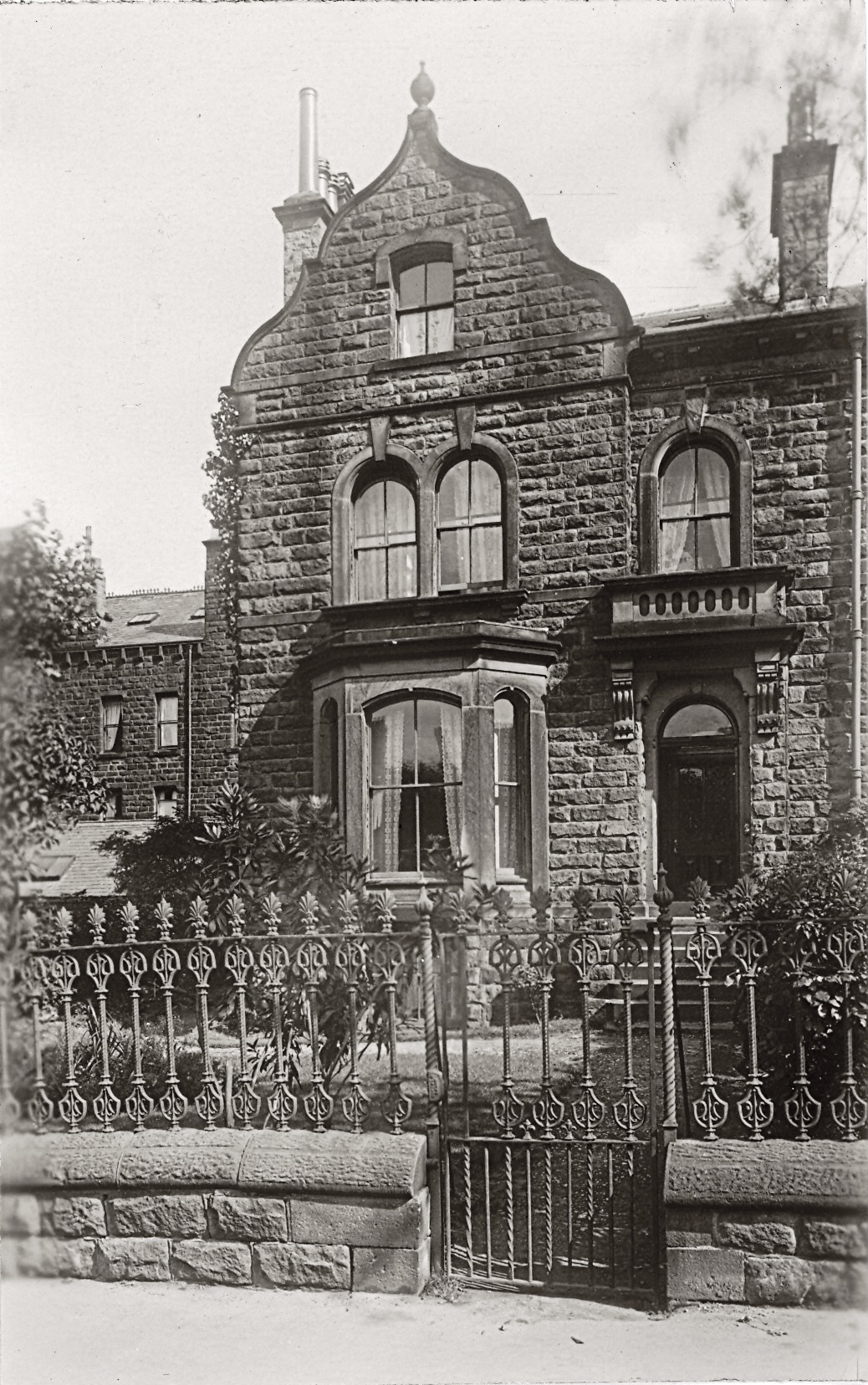 Hopewell Terrace
2. At the top of Parish Ghyll Road turn right to walk along Parish Ghyll Drive. Cross Oakburn Road and continue along Parish Ghyll Drive. On the right is Ashburn House from the late 1860s with a long stone boundary wall. On the left is the boundary wall of 1870 Ferndale, standing at the junction with Princess Road. Ferndale was built by the Leeds architect William Hill for himself. On the right at the corner was a tall oak tree. One Oak House was built in the 1880s. A large garden leads to the stream in the ravine.
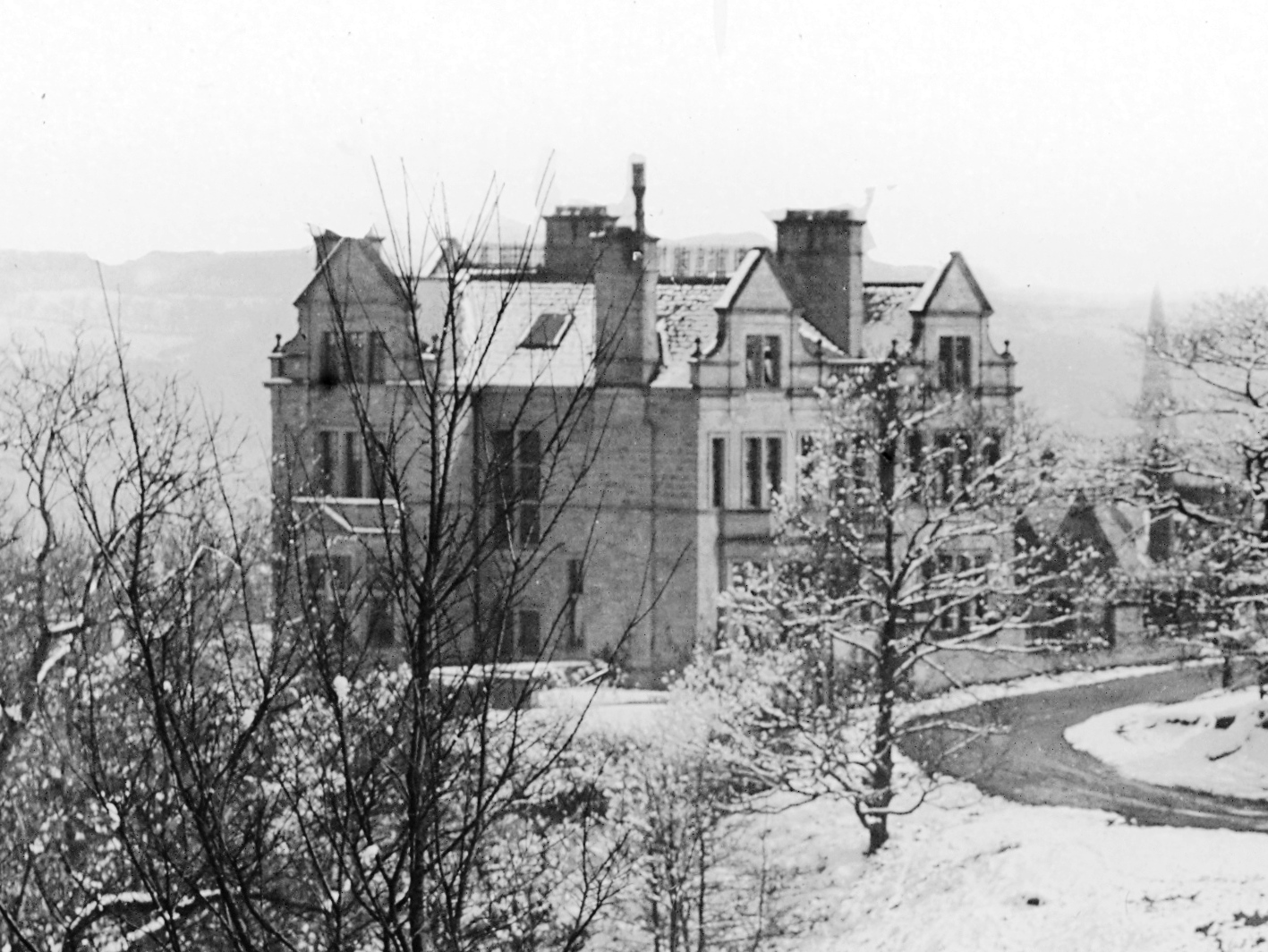 One Oak
3. At the next junction leave Parish Ghyll Drive, turn second left to walk down Wilton Road. These detached semis and large terrace houses were built in the 1890s.
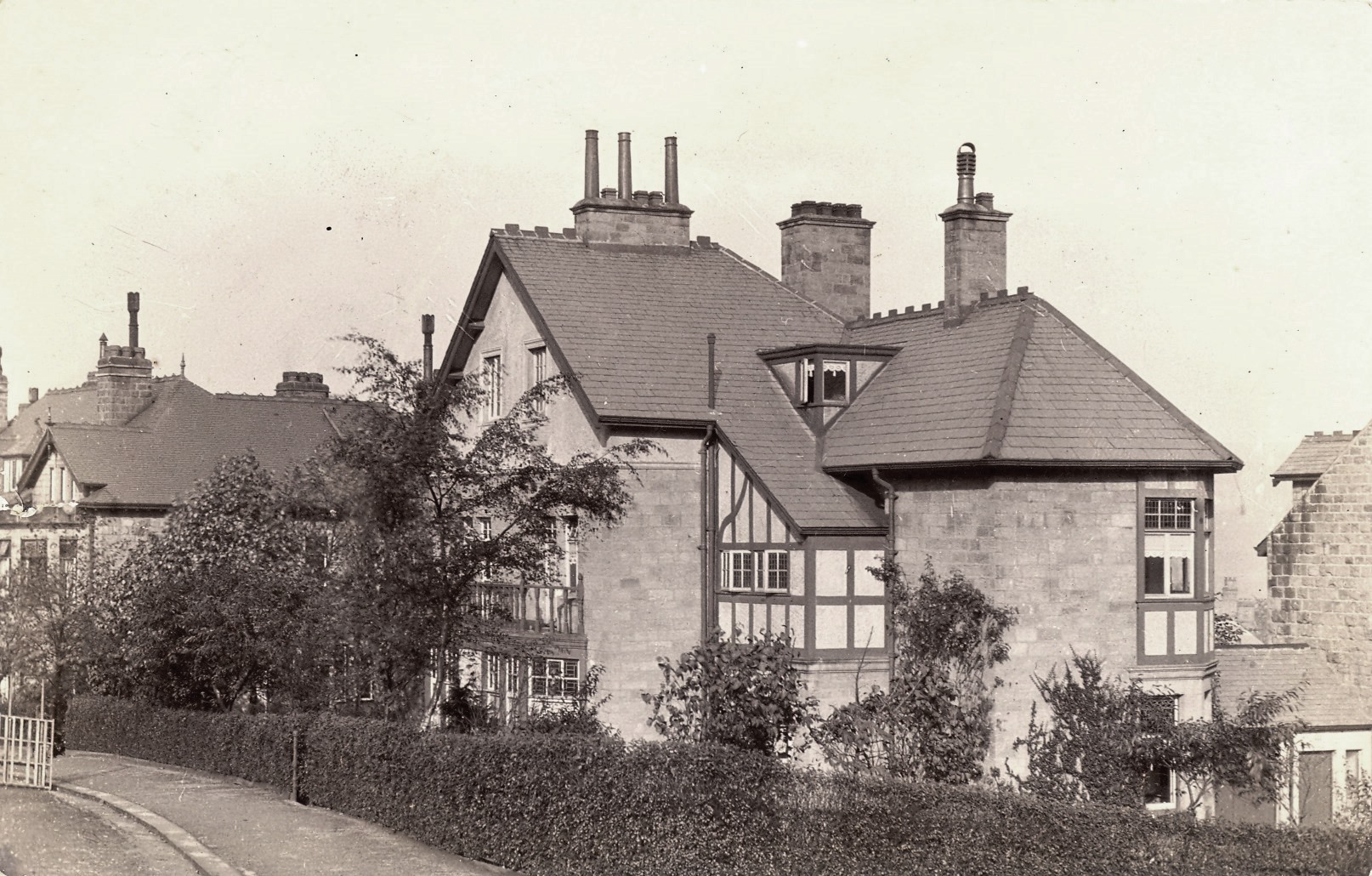 7 Wilton Road
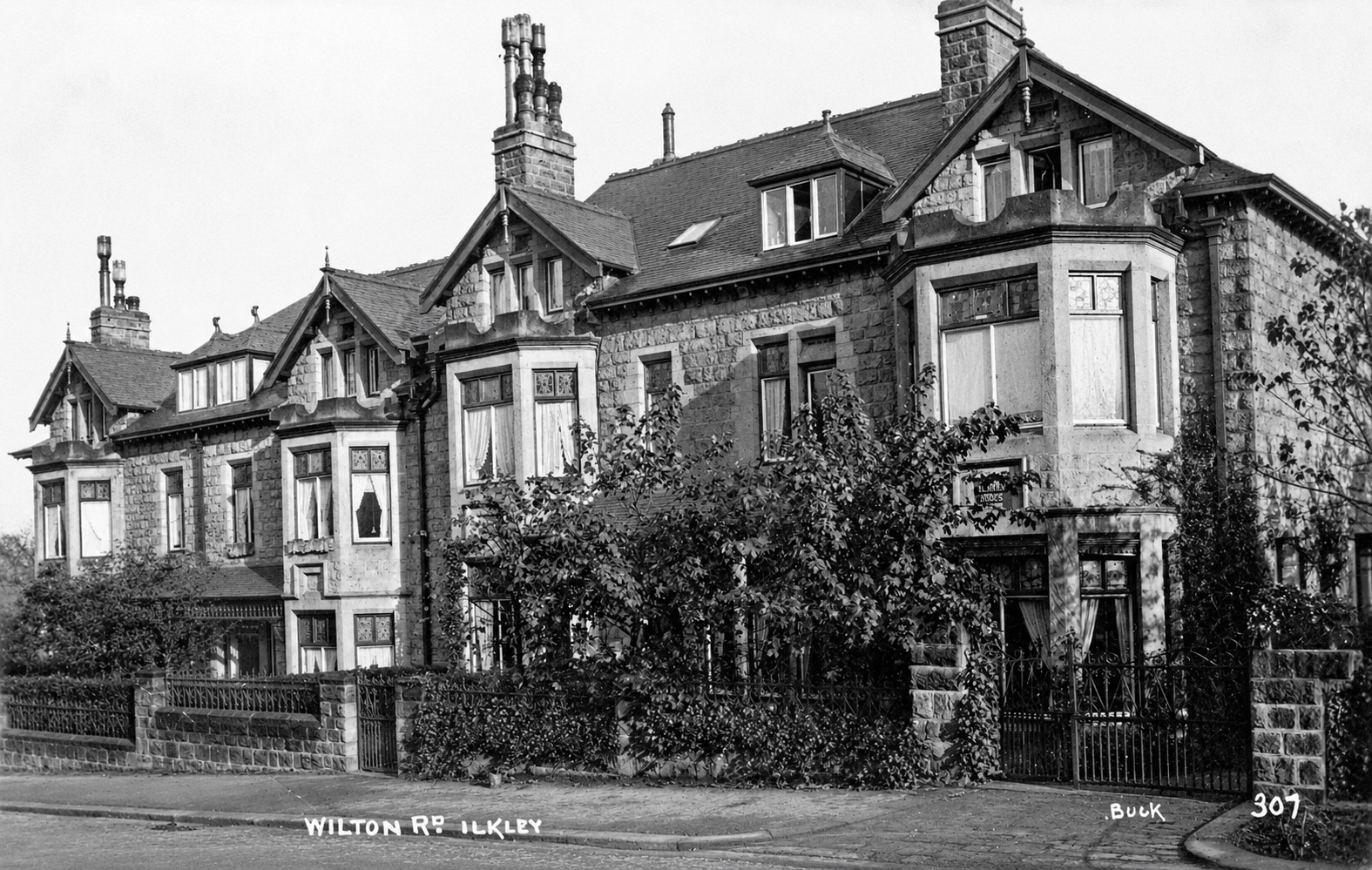 8 Wilton Road Terrace
4. At the bottom of Wilton Road turn left to walk along Grove Road. On the right are the boundary walls of the 1870s Summerfield, home of the Cooke family until the 1930s, and 1890s Warlbeck. On the left are the gardens of 1890 semis and detached Inglehurst from 1880s.
5. At Heath Park turn left and walk up to the middle to look back. Opposite is Heathcote. It was built in 1906-08 on the site of 1880s Rose Mount and Heathcote for JT Hemmingway. He was a successful businessman who, starting as warehouseman, eventually owned Geo. Richardson & Co Ltd - a worsted cloth merchants in Bradford. Heathcote and all its furnishings was designed by Edwin Lutyens. The garden was probably designed by Gertrude Jekyll.
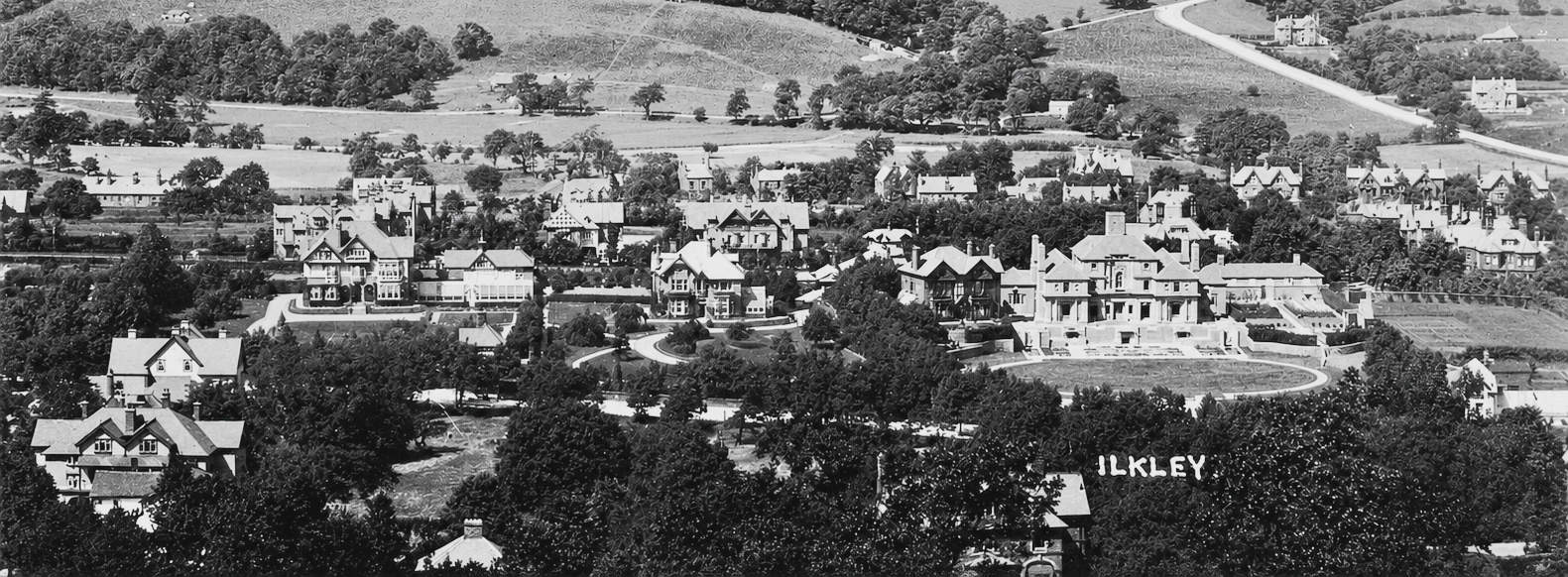 Heathcote to the right (over the word Ilkley) with Rose Mount, Norwood House and Glen Rosa
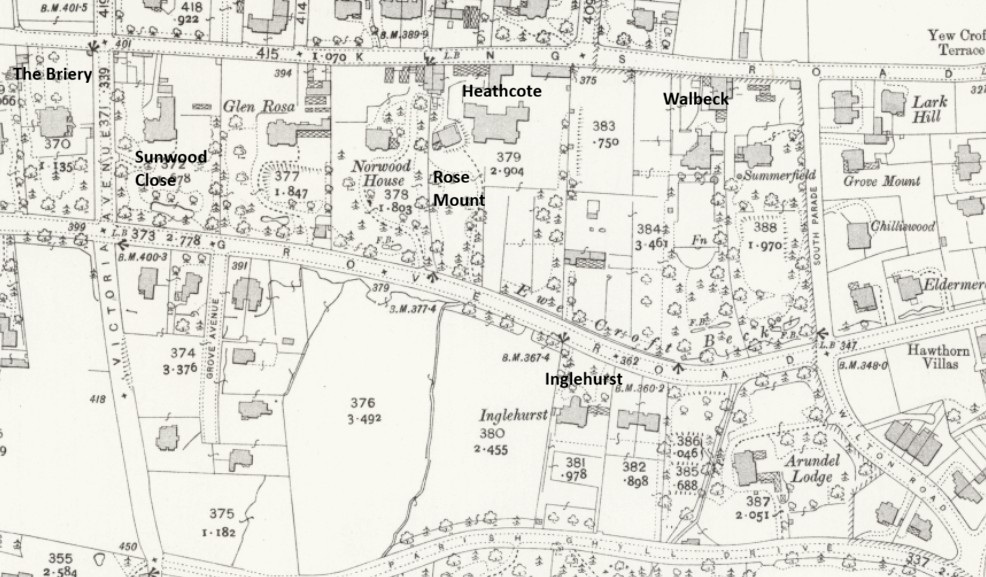
6. Return to Grove Road, proceed west past Shannon Close and Grove Avenue. On the right, after the hedge, is the stone boundary wall of 1890s Southern Hey, renamed as Glen Rosa before 1912, by Mr Ackroyd (see image above). Grove Avenue was built in the early 1900s by Ilkley builders, Pease & Co.
7. At the cross-roads. turn right to walk down Victoria Avenue. Two houses of note - a house on the right, Sunwood, by Milnes & France, and another on the left, the 1898 house, The Briery, for Sidney Kellett by AG Adkin.
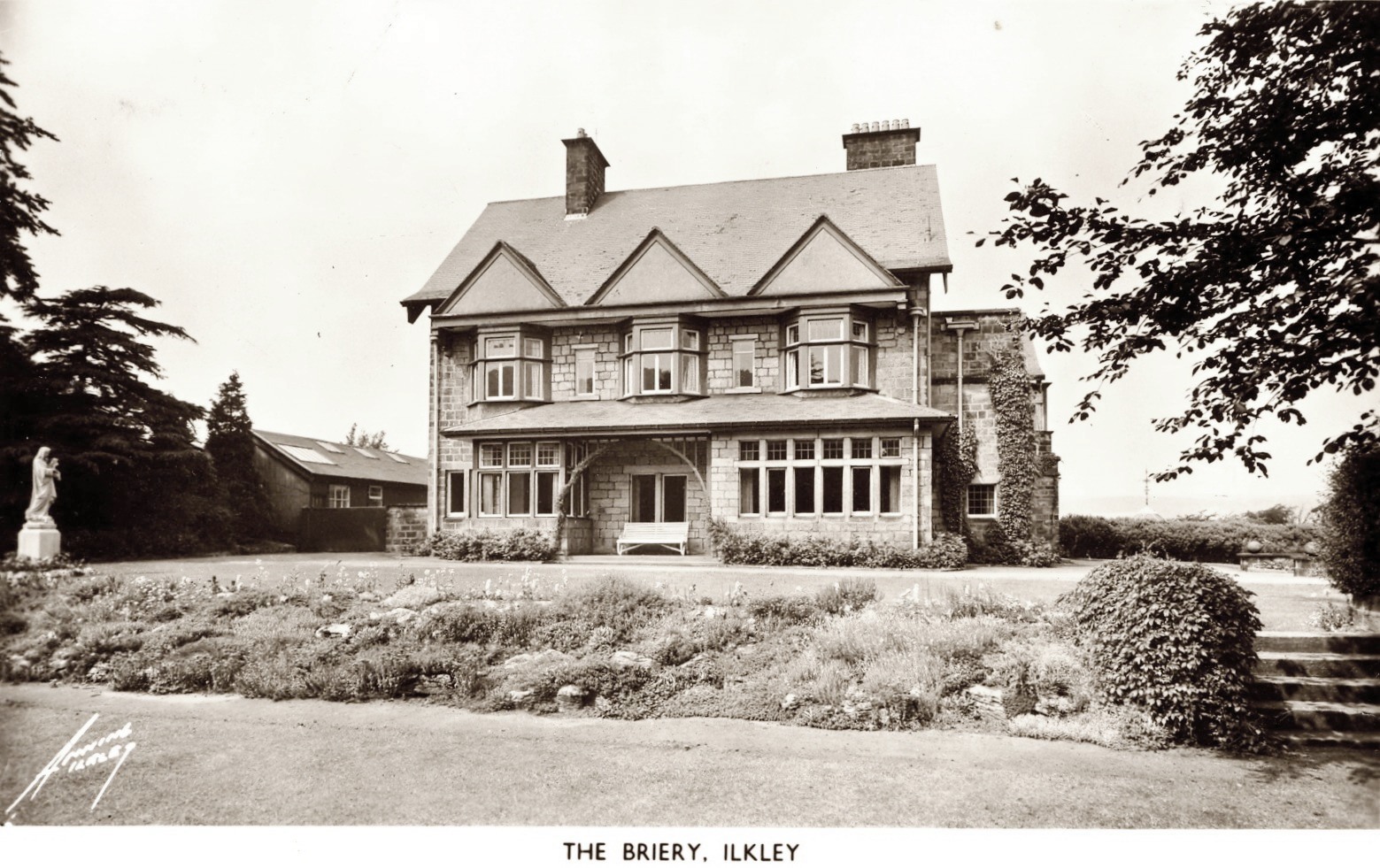
8. At the next junction turn right to walk along Kings Road towards Ilkley centre. On the left are mainly 1890s houses designed by Ilkley architect Alex G Adkin. On the right are stone walls from the back of the of the Grove Road houses, including the the rear of Heathcote.
9. Pass Easby Drive and continue along Kings Road. Elmleigh and the other large houses down Easby Drive were built in the 1870s by George Smith. On the right was the 1890s house, Warlbeck, home of FB Muff of Brown & Muff store, Bradford.
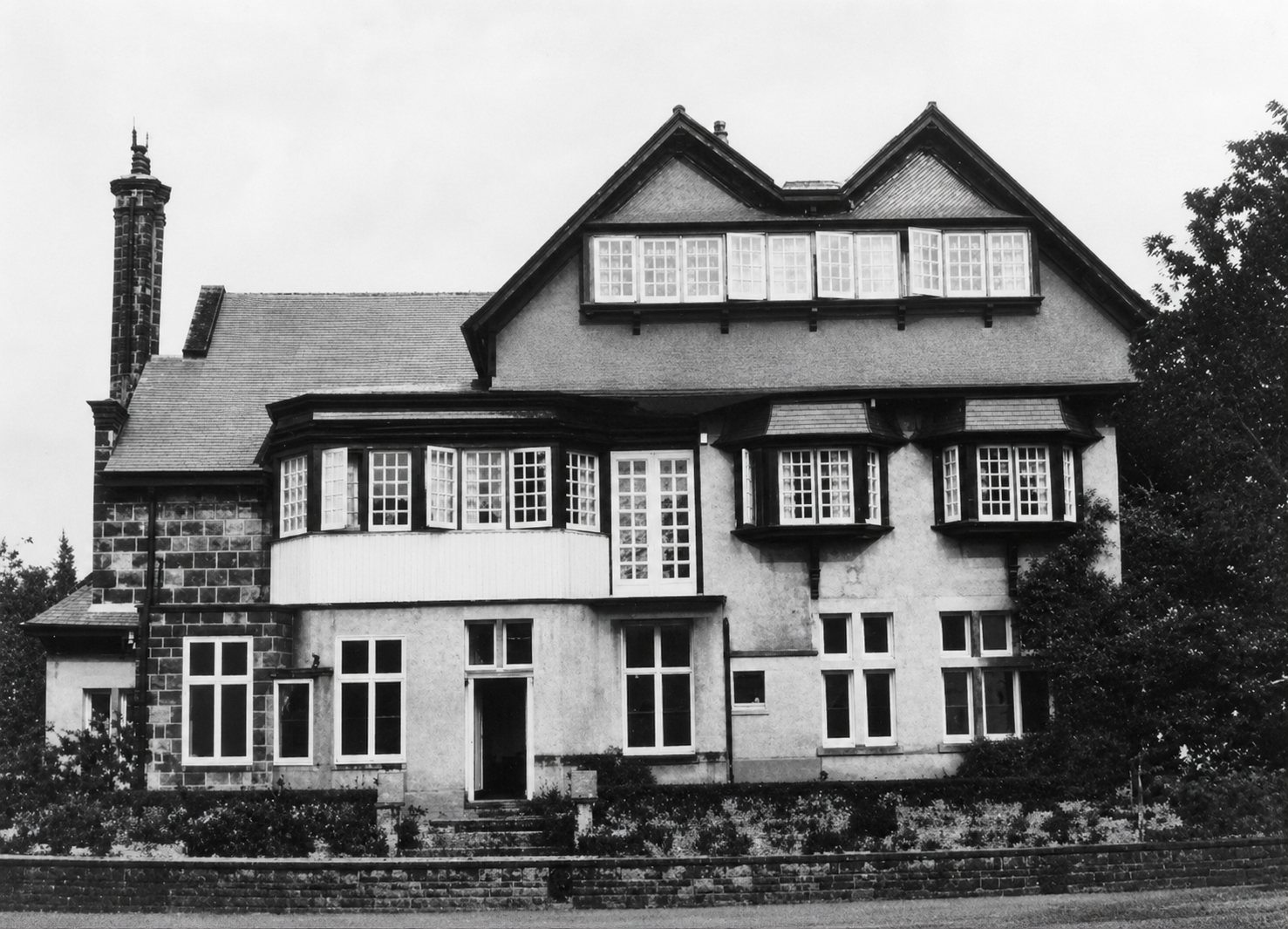 Warlbeck
10. Turn right onto South Parade, and walk to the end to Grove Road. A street of 1870s and 1880s houses.
11. Turn left along Grove Road towards Ilkley centre. On the left is Beck House, then Eldermere from the 1880s in gardens with the diverted Ewe Croft stream. Opposite is the 1880s Hawthorn Terrace and a pair of 1890s semis.
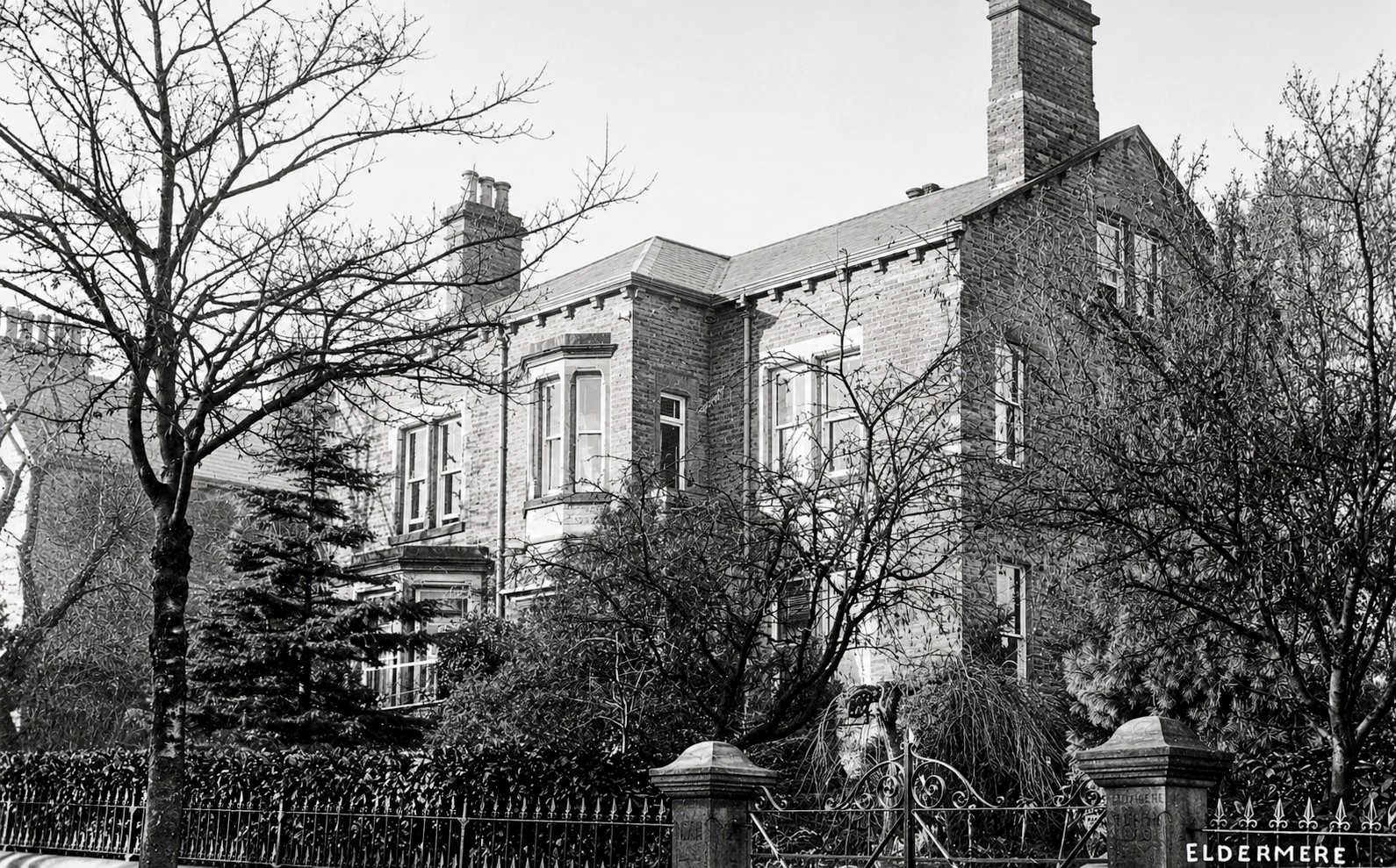 Eldermere
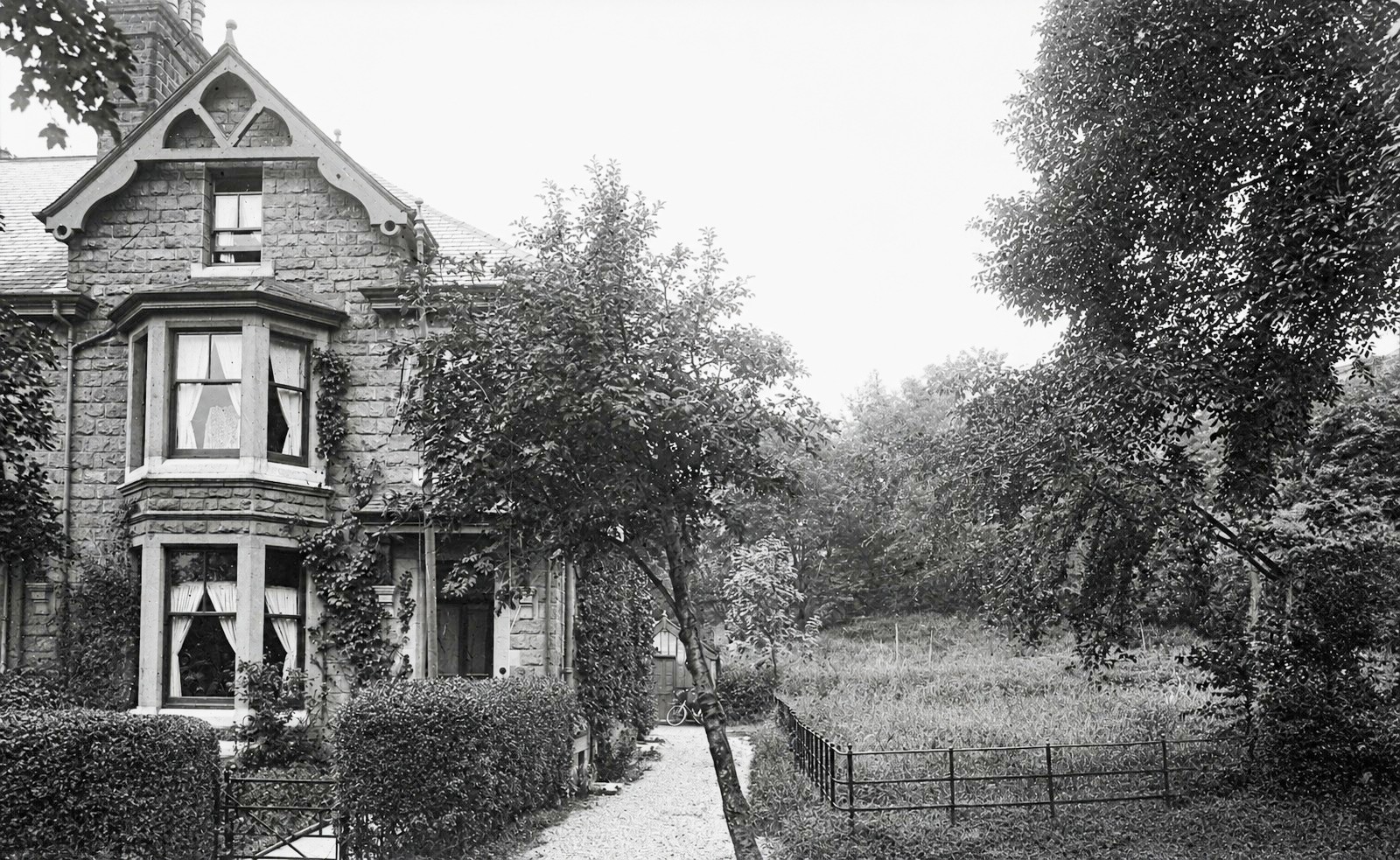 End of Hawthorne Terrace 37 Grove Road
12. Cross Westville Road and continue on Grove Road. On the left is Ashbrook built in 1890 for Wm. Hepton by AG Adkin, then the 1905 house Morven for Dr T Hearder Brown by Connon & Chorley of Leeds, with the stream edging the gardens.
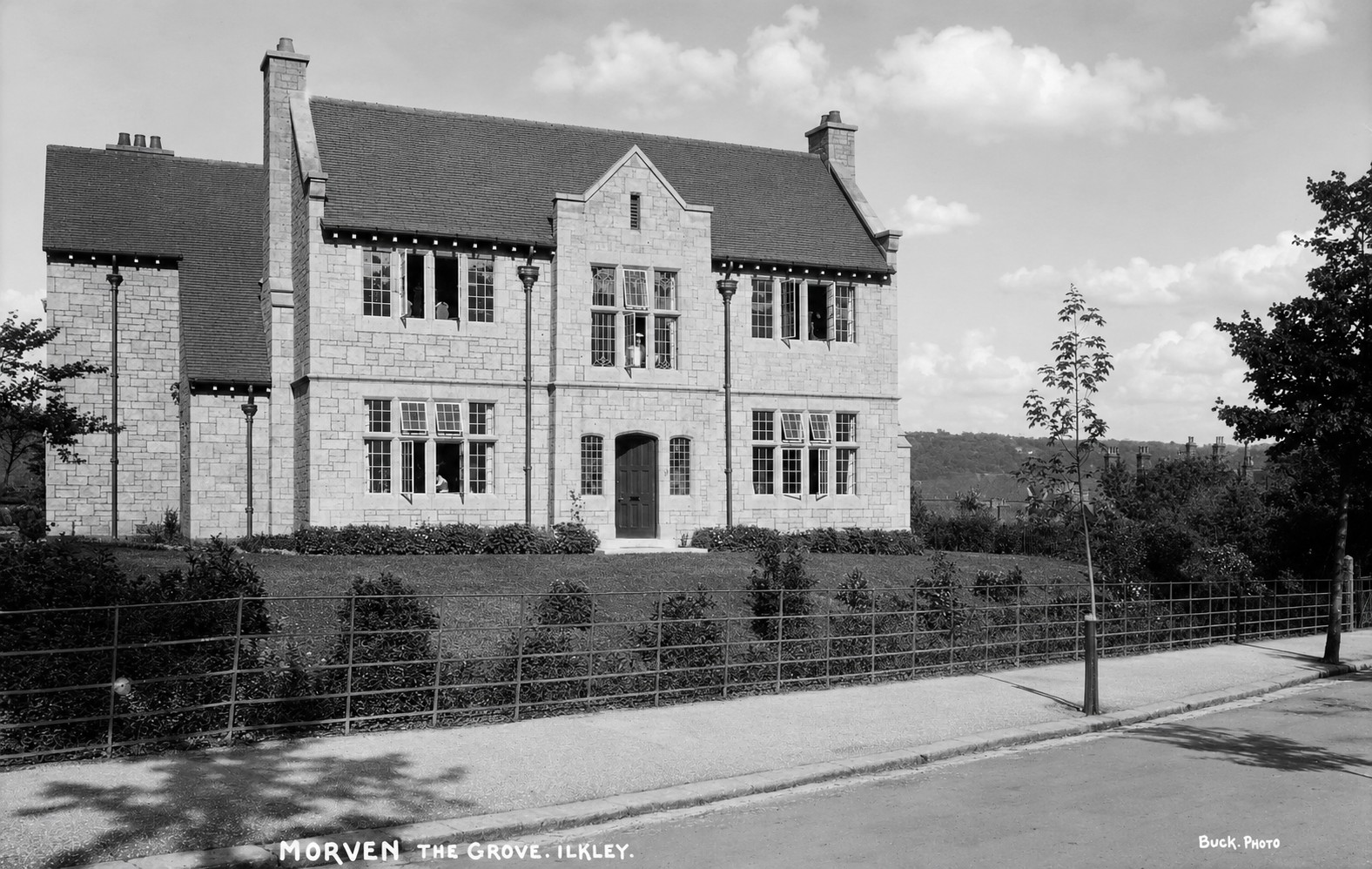 Morven
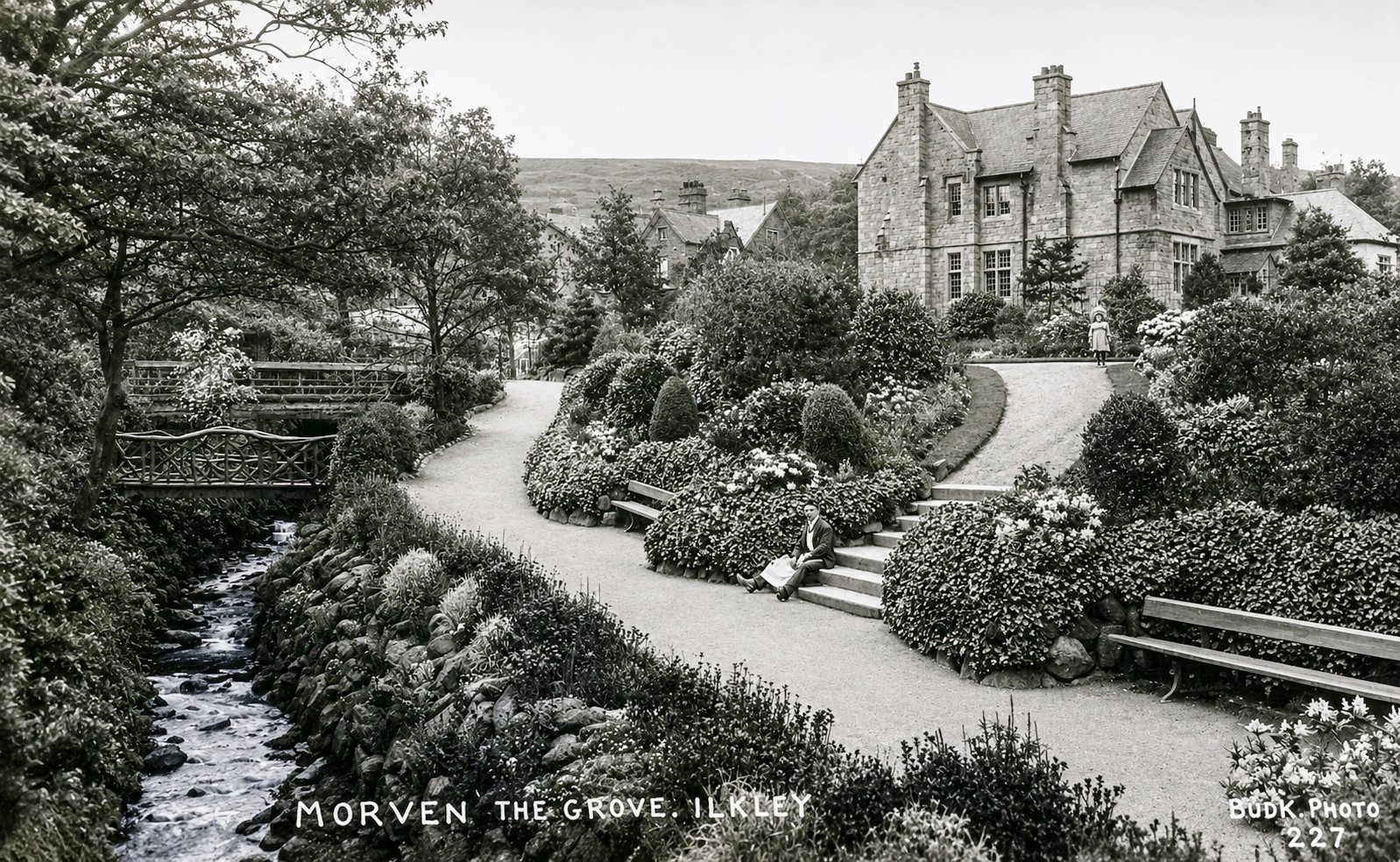 Morven from Spences Gardens
13. As you walk over the bridge look into the 1890s Spence Gardens (perhaps explore the paths, trees and bridges over the stream). On the right is a detached house, a pair of semis and Grove Terrace all designed, with many ornaments, by George Smith in the1870s.
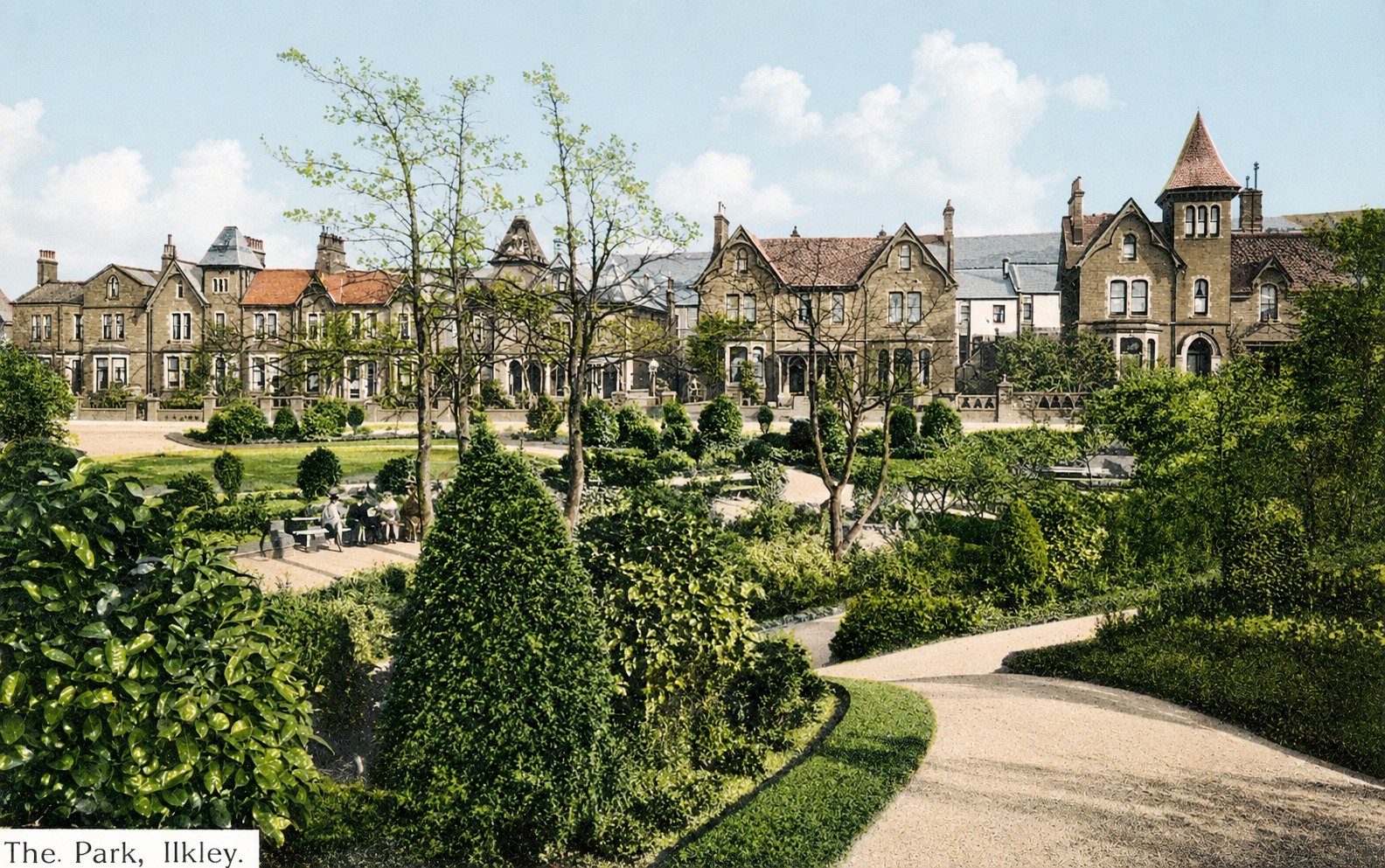 George Smith designed houses on Grove Road view from Spences Garden
14. Cross Kings Road and follow Grove Road past the War Memorial Gardens then cross over to the left onto The Grove. Here are semis from the 1870s. Notice the griffins on the roof line of Acorn Villas. Walk along a little further to the Canker Well garden on the corner of Cunliffe Road, passing. The Canker Well had a formal drinking fountain from the 1870s said to help cure canker, hence the name. At the rear of the small garden on the left is an 1844 marble trough from Ben Rhydding Hydro and a newly erected information board. On the other side of Cunliffe Road is the Boden building - you can see the date stone. If you look through the window you can see the decorated ceiling.
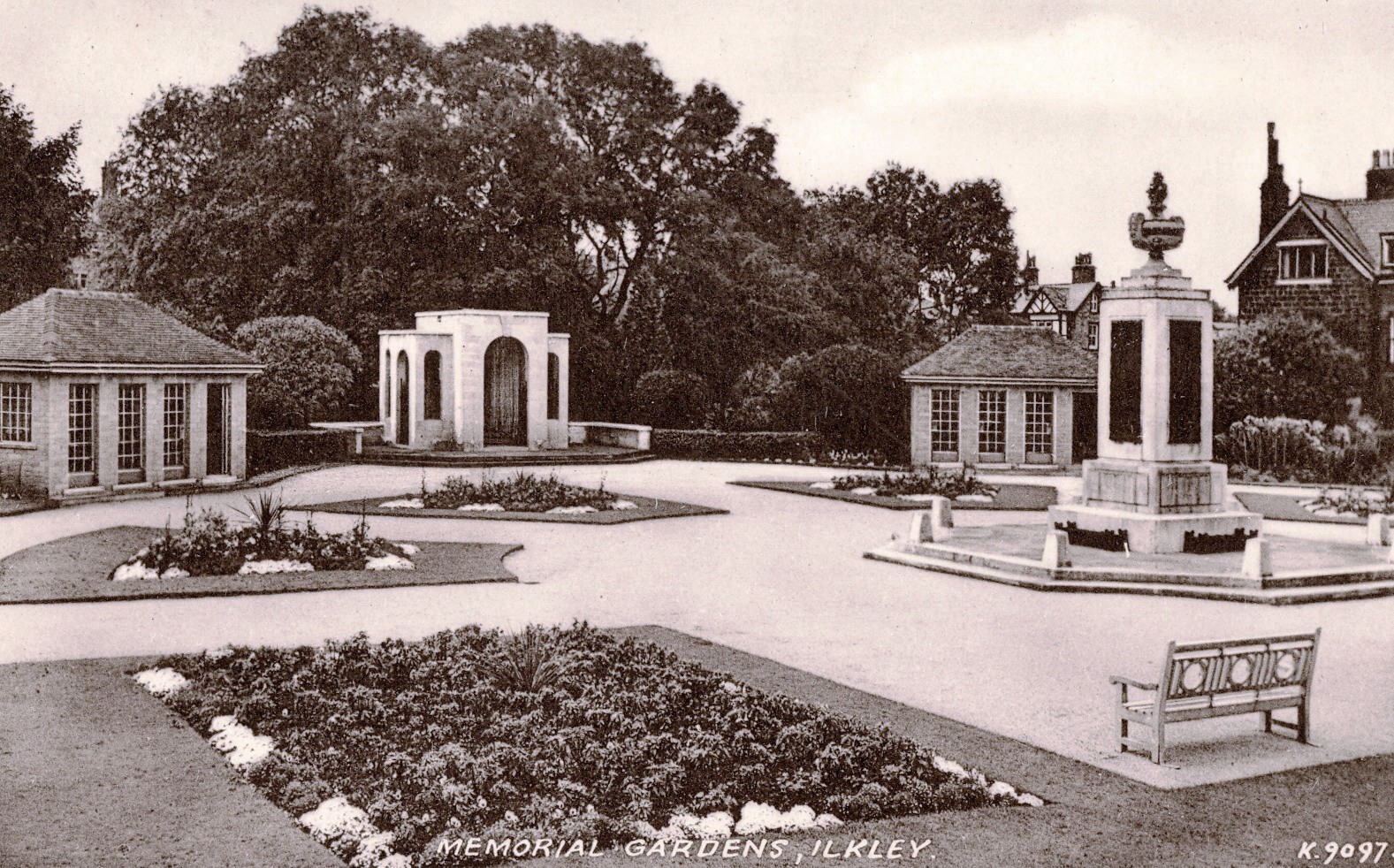 Memorial Gardens
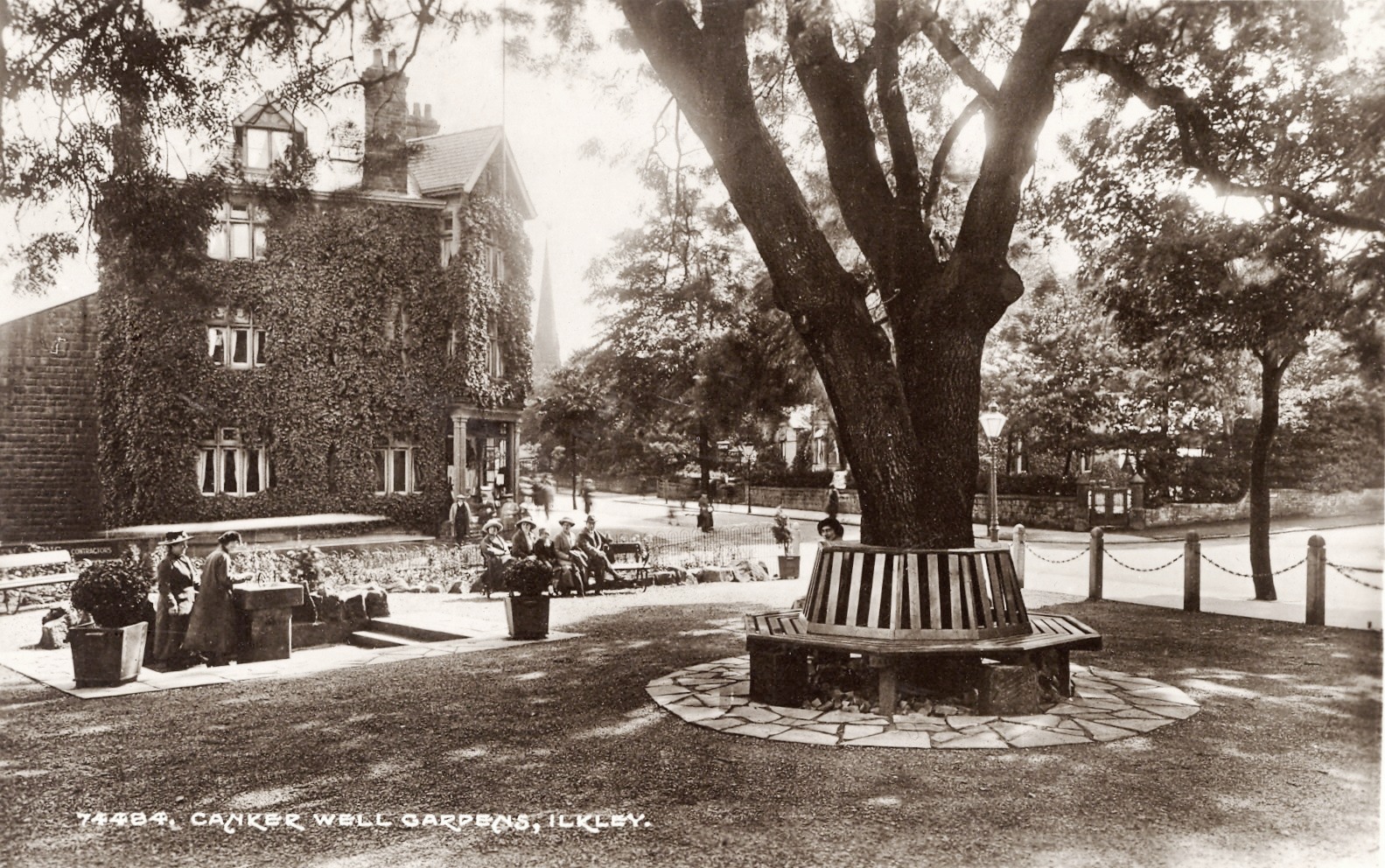 Canker Well Gardens with the Boden building behind